This course requires knowledge of Swedish. Swedish is the language of instruction. For more information, see the Swedish version of this page.
Close
- >
- >
Programmes in English
- Erasmus Mundus Master Programme in Public Health in Disasters
- Joint Master's Programme in Health Informatics
- Master's Programme in Bioentrepreneurship
- Master's Programme in Biomedicine
- Master's programme in Biostatistics and Data Science
- Master's Programme in Global Health
- Master's Programme in Health Economics, Policy and Management
- Master's Programme in Molecular Techniques in Life Science
- Master's Programme in Nutrition Science
- Master's Programme in Public Health Sciences
- Master's Programme in Toxicology
- Master's Programme in Translational Physiology and Pharmacology
- Bachelor's Programme in Biomedicine
Freestanding courses
- ADHD and Associated Impairments - Theory and Practical Skills
- Advanced Course in Immune, Infection and Tumour Biology
- Advanced Echocardiography
- Advanced Human Physiology Research
- Advanced Physiologic Vascular Diagnostics
- Aging and Age-Related Disorders from a Biological, Epidemiological and Clinical Perspective
- Applied Artificial Intelligence (AI) in Healthcare
- Artificial Intelligence in Mental Healthcare
- Assessment of walking function in children and adults with motor disorders
- Autonomic and Emotional Regulation in Stress Related Disorders - Theory and Practice
- Basic Musculoskeletal Ultrasound Imaging
- Basic Pathophysiology and Disease Mechanisms
- Basic Training in Evidence-Based Psychotherapeutic Method
- Breast Milk and Breastfeeding for Sick or Preterm Infants
- Breastfeeding in an Interprofessional Perspective
- Children's and Adolescents' Rights in Health Care
- Clinical Forensic Psychology - Risk Assessments
- Clinical Stories and Narrative Medicine as Tools in Person-Centred Care
- Complementary Programme for dentists with a dental degree from outside the EU/EES and Switzerland
- Complementary programme for midwives with a degree from outside the EU/EES and Switzerland
- Complementary programme for nurses with a nursing degree from outside the EU/EES and Switzerland
- Complementary programme for physicians with a medical degree from outside the EU/EES and Switzerland
- Complementary programme for physiotherapists with a degree from outside the EU/EES and Switzerland
- Computerized tomography
- Contemporary Nursing Science
- Degree Project for Master's Degree (120 credits) in Odontology
- Degree Project for Master's Degree (60 credits) in Audiology
- Degree Project for Master's Degree (60 credits) in Nursing
- Degree Project for Master's Degree (60 credits) in Occupational Therapy
- Degree Project for Master's Degree (60 credits) in Optometry
- Degree Project for Master's Degree (60 credits) in Oral Health
- Degree Project for Master's Degree (60 credits) in Physiotherapy
- Degree Project for Master's Degree (60 credits) in Radiography
- Degree Project for Master's Degree in Speech and Language Pathology
- Diet and exercise as medicine
- Digital Health From an Entrepreneurship Perspective
- Exercise Physiology and Cardiopulmonary Exercise Test
- Extended Course in Psychology
- Global Health and Disaster
- Global Health in an Interprofessional setting: A Caring Science Perspective
- HIV - an individual focus from a global perspective
- Health Care Organisation and Management in the Digital Age
- Health Psychology - A Biopsychosociocultural Perspective
- Health and Ill-Health - a Psychosomatic Perspective
- Health and Illness During the Course of Adolescence, Specialization
- Human Movement - Clinical Movement Analyses
- Human Physiology
- Implementing Strategies for Quality Improvement in Healthcare Settings.
- Infections and Infection Control
- Innovations for Emerging Cities: OpenLab Multidisciplinary Project Course, period 1
- Innovations for Emerging Cities: OpenLab Multidisciplinary Project Course, period 2
- Intermediate Care Nursing
- Introduction to Brain Imaging in Neuroscience: With a Focus on MRI, PET, EEG and MEG Methods
- Introduction to Clinical Neuropsychology
- Introduction to Cognitive Neuroscience
- Introduction to Psychology
- Introduction to Quantitative and Qualitative Method and the Combination Mixed-Methods Within Medical Science
- Introduction to Social, Economic and Environmental Sustainability and Health
- Magnetic resonance tomography
- Master's Programme in Biomedical Laboratory Science
- Master's Programme in Clinical Optometry
- Master's Programme in Work and Health
- Medical Ethics
- Medical Technology in Digital Health Transformation
- Menstrual Health - A Life Cycle Perspective
- Natural Remedies and Complementary Medicine
- Neonatal Nursing With Specialization in Intensive Care
- Nursing Care for Patients With Pain
- Nursing in Asthma, Allergy and COPD, part 1
- Nursing in Asthma, Allergy and COPD, part 2
- Nursing in Neonatal Health Care, Specialization
- Nursing in Neonatal Health Care, Specialization
- Nursing in Paediatric Emergency Care, Specialization
- Nutrition, the nutrients and metabolism
- Occupational Science 1
- Palliative care
- Pediatric Obesity - Causes, Consequences, and Management
- Pharmacology
- Physical Activity as Prevention and Treatment FYSS/FaR
- Physiology - an introductory course
- Physiotherapeutic Interventions in Decreased Lung Function
- Physiotherapy in Neurological Disability
- Promoting Mental Health in Children and Adolescents - A Physiotherapeutic Perspective
- Psychosomatic Physiotherapy. Body and Mind - a Holistic Perspective
- Public Health Response in Health Crisis and Disasters
- Qualitative Research and Evaluation Methods in Disasters
- Quality and Quality Development
- Reflective Practice - Developing Work and Profession
- Rehabilitation in Cancer Care
- Remote Physiotherapy - A Physiotherapeutic Perspective
- Research Introductory Course for Medical Students - FOLÄK, part 1
- Research Introductory Course for Medical Students - FOLÄK, part 2
- Research introductory course in biomedical laboratory science
- Rheumatology from an Interprofessional Perspective
- Scientific Theory and Research Methods in Occupational Therapy, Physiotherapy, and Nursing
- Scientific theories and research methods in radiography
- Scientific theory and methods in nursing
- Sexual Health and Rights
- Social and Affective Neuroscience
- Statistical Methods with R
- Teaching and Learning in Higher Education for Health Care Professionals
- The Contact Nurse in Health Care
- Theory and Methodology of Science in Odontology
- Treatment of Psychological Problems Within Primary Care
- Support During Labour and Birth
- Study Programme in Audiology
- Study Programme in Biomedical Laboratory Science
- Study Programme in Dental Hygiene
- Study Programme in Dentistry
- Study Programme in Medicine
- Study Programme in Midwifery
- Study Programme in Nursing
- Study Programme in Occupational Therapy
- Study Programme in Optometry
- Study Programme in Physiotherapy
- Study Programme in Psychology
- Study Programme in Psychotherapy
- Study Programme in Radiography
- Study Programme in Specialist Nursing - Anaesthesia Care
- Study Programme in Specialist Nursing - Elderly Care
- Study Programme in Specialist Nursing - Intensive Care
- Study Programme in Specialist Nursing - Medical Care
- Study Programme in Specialist Nursing - Oncology Care
- Study Programme in Specialist Nursing - Paediatric Care
- Trauma and Trauma Therapy From a Bodily Perspective
- Study Programme in Specialist Nursing - Pre-hospital Emergency Care
- Study Programme in Specialist Nursing - Primary Health Care
- Study Programme in Specialist Nursing - Surgical Care
- Study Programme in Specialist Nursing - Theatre Care
- Study Programme in Speech and Language Pathology
- Study Programme in Specialist Nursing - Oncology Care
- Study Programme in Specialist Nursing – Primary Health Care
- Bachelor's Programme in Nutrition Science
Health and Ill-Health - a Psychosomatic Perspective
The course Health and Ill-Health - a Psychosomatic Perspective at KI is taught in Swedish.
Specific eligibility
A minimum of 120 credits from studies leading towards a professional degree as occupational therapist, audiologist, dietician, speech therapist, medical doctor, psychologist, nurse, physiotherapist, or social work. And proficiency in Swedish and English equivalent to Swedish B/Swedish 3 and English A/English 6.
Selection
The selection is based on academic credits (30-285).
Apply for Autumn 2026Health and Ill-Health - a Psychosomatic Perspective
Hälsa och ohälsa - ett psykosomatiskt perspektiv
Essential data
Course code: 2QA085
Course name: Health and Ill-Health - a Psychosomatic Perspective
Credits: 7.5
Form of Education: Higher education, study regulation of 2007
Main field of study: Not applicable
Level: Second cycle, in-depth level of the course cannot be classified
Grading scale: Fail (U) or pass (G)
Department: Department of Neurobiology, Care Sciences and Society
Decision date: 2010-03-19
Revised by: Utbildningsnämnden NVS
Last revised: 2021-03-10
Course syllabus valid from: Autumn semester 2021
Specific entry requirements
A minimum of 120 credits from studies leading towards a professional degree as occupational therapist, audiologist, dietician, speech therapist, medical doctor, psychologist, nurse, physiotherapist, or social work. And proficiency in Swedish and English equivalent to Swedish B/Swedish 3 and English A/English 6.
Outcomes
The aim of the course is to provide enhanced knowledge of a psychosomatic approach and how this can be applied in the patient encounter and in collaboration with other staff in the multi-disciplinary team.
On completion of the course, the student should be able to:
- account too and apply a biopsychosocial perspective on mental/psychosomatic disease, long pain and stress-related troubles
- account for body therapy, affect focused and behavioural interventions and their applications
- co-operate in a multi-disciplinary team, and argue for the own specific field of knowledge and the role in the rehabilitation of patients with mental/psychosomatic problems, long lasting pain and stress-related problems
- demonstrate a scientific and critical thinking and a reflective attitude to one's own perspectives/values and realise the needs of life-long learning
Content
The course comprises:
- Explanatory models on health/unhealth from a bio-psycho-social perspective
- Body, being, meaning and reflection as central concepts to understand the body soul entity
- Merleau-Ponty's phenomenological understanding of "the lived body"
- Models to understand acceptance and change processes
- Existential perspective on health / ill health
- Therapeutic attitude
- Theories and excercises to stimulate affect- and bodyawareness
Teaching methods
Different types of teaching are used; lectures, literature studies, discussions in seminars and group project.. Strong emphasis is put on active knowledge acquisition and at reflecting on ones own experiences in body awareness - and mindfulness training.
The examiner decides whether, and if so how, absence from or unfulfillment of compulsory course elements can be made up for. Study results cannot be reported until the student has participated in or fulfilled compulsory course elements, or compensated for any absence/ failure to fulfill in accordance with instructions from the examiner. Absence from or unfulfillment of a compulsory course element may imply that the student can not retake the element until the next time the course is offered.
Examination
Assessment of knowledge, skills, attitudes and self reflecting capacity is continuously carried out through follow-up of study assignments, and in the final examination. The examination consists of a written individual assignment and an assignment that is carried out in groups. For a Pass grade in the course, fulfilment of study assignments, approved examination, attendance and active participation in body awareness training and seminar discussions, are required.
Mandatory elements for a passed course are:
- Oral and written study assignments that are presented individually or in groups
- Mandatory attendance and active participation in patient case seminars and presentations
- Attendance 80% of other scheduled time
Students who do not pass a regular examination are entitled to re-sit the examination on five occasions more. If the student has failed a total of six examinations/tests, no additional examination is given. Each occasion the student participates in the same test counts as an examination. Submission of a blank exam paper is regarded as an examination. In case a student is registered for an examination but does not attend, this is not regarded as an examination.
If there are special reasons, or a need for adaptation for a student with a disability, the examiner may decide to deviate from the syllabus' regulations on examination form, number of examination opportunities, possibility of supplementation or exemption from compulsory educational elements, etc. Content and learning objectives as well as the level of expected skills, knowledge and abilities may not be changed, removed or lowered.
Transitional provisions
Examination will be provided during a period of one year after a close-down of the course. Examination may take place following previous course literature during a period of one year after the date of the renewal of the course literature.
Other directives
Language of instruction: Swedish.
Course evaluation is carried out in accordance with the guidelines established by the Board of Education. During the course, the participants are encouraged to give their views on the course content and arrangements. .
This course is a collaboration with The Ersta Sköndal University College Department of caring science.
The course replaces 2QA020.
The course can not be included in a degree together with successful completion of another course if the content totally or partly corresponds with the content of this course. The following course is overlapping: 2XX044, Health and disease - a psychosomatic perspective, 7.5 HE credits
Literature and other teaching aids
- Att förstå kroppens budskap: sjukgymnastiska perspektiv, Biguet, Gabriele; Keskinen-Rosenqvist, Riitta; Levy Berg, Adrienne, 1. uppl. : Lund : Studentlitteratur, 2012 - 406 s. ISBN: 978-91-44-07321-7, LIBRIS-ID: 13512943, *
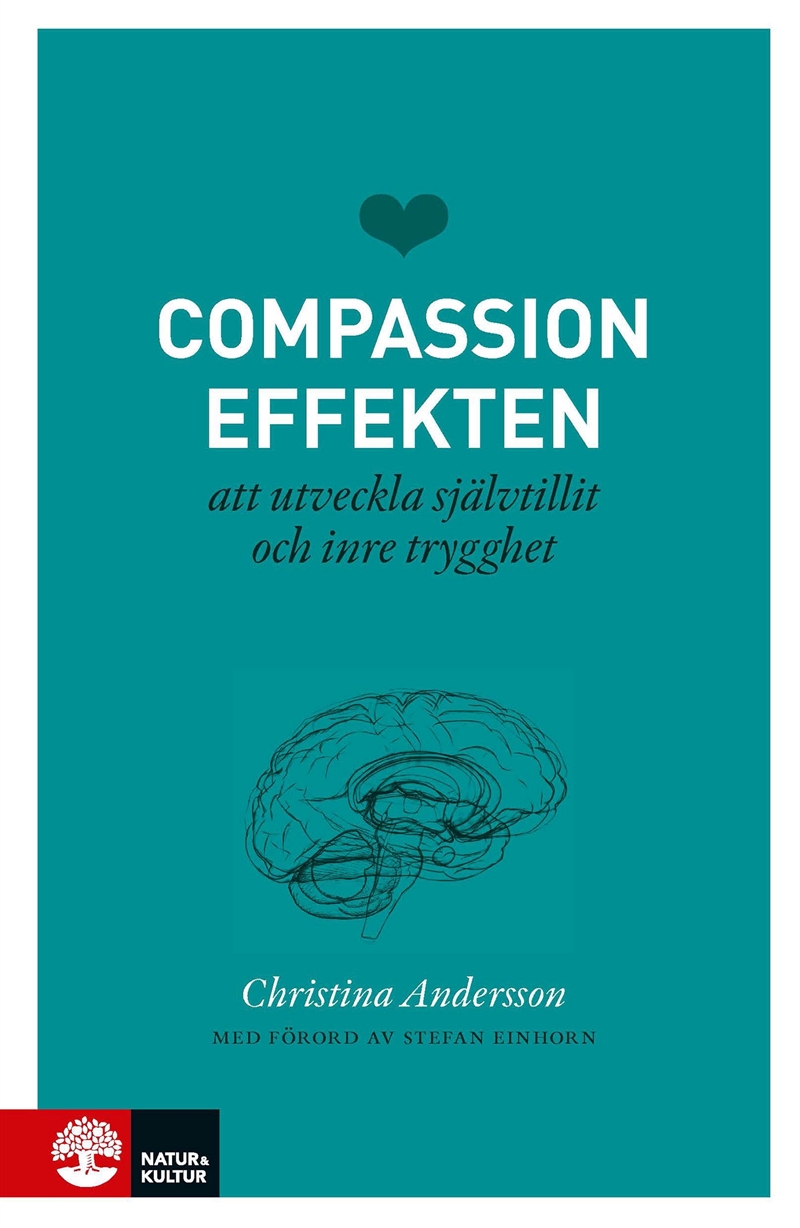
- Andersson, Christina, Compassioneffekten: att utveckla självtillit och inre trygghet, Stockholm : Natur & Kultur, 2018 ISBN: 9789127819504, LIBRIS-ID: 19979413, Omslagsbild,
- Bragée, Britt, Kroppen först : En behandlingsmodell vid psykosomatik, Studentlitteratur AB, 2013 ISBN: 978-91-44-08460-2, LIBRIS-ID: 13743343,
- Bullington, Jennifer, Psykosomatik: om kropp, själ och meningsskapande, 1. uppl. : Lund : Studentlitteratur, 2007 - 207, [1] s. ISBN: 9789144026459, LIBRIS-ID: 10462754,
- Lagerström, Ann; Serrander, Elisabeth, Existentiell coaching, Upplaga 1 : Lund : Studentlitteratur, [2019] - 213 sidor ISBN: 9789144121697, LIBRIS-ID: hsp3941cf7mlv3ph,
- Sonnby-Borgström, Marianne, Affekter, affektiv kommunikation och anknytningsmönster: ett bio-psyko-socialt perspektiv, 1. uppl. : Lund : Studentlitteratur, 2005 - 255 s. ISBN: 91-44-03099-1, LIBRIS-ID: 9712834,
- Vårdvetenskapliga begrepp i teori och praktik, Wiklund Gustin, Lena; Bergbom, Ingegerd, Andra upplagan : Lund : Studentlitteratur AB, 2017 - 468 sidor ISBN: 978-91-44-11243-5, LIBRIS-ID: 20900395,